

United Shippers CouncilEstablished 5787
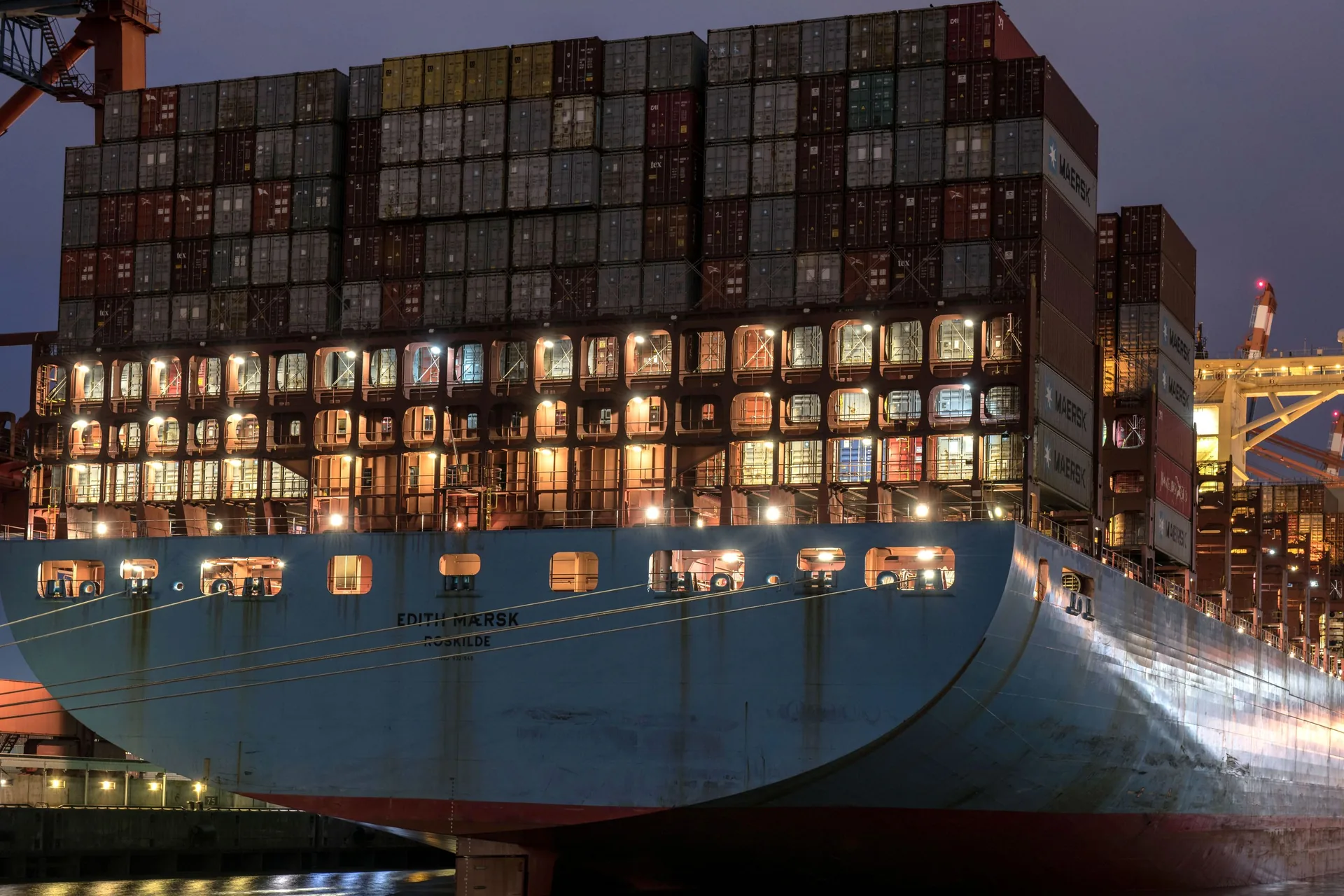
Night view of the bow of a large container ship at berth, with cargo bays lit

Membership by application

The community’s freight, negotiated as one.

Ocean carriers reserve their best terms for the buyers who commit the most containers. Individually, our importers are mid-size buyers; together, they represent 50,000 to 100,000 containers. The Council brings that volume to a single table, as a shippers’ association recognized under the U.S. Shipping Act.

Download the Member Brief PDF, one page

Seal of the United Shippers Council, Established 5787
Letters of intent
Nov to Dec 2026
Carrier negotiation
Jan to Apr 2027
Contracts in force
May 1, 2027
50,000 to 100,000
Containers of combined
member volume in view
5 to 10%*
Target rate improvement
for many members
§ 40102(24)
The Shipping Act definition
of a shippers’ association
May 1, 2027
Service contracts
take effect

* A target, not a guarantee. Actual savings depend on each member’s current contract.

Why the CouncilI

Four reasons the table exists.

The case for the Council is not a promise of savings. It is an argument about structure: how ocean freight is priced, what the law already permits, and what a mid-size importer gives up by negotiating alone.

i.

The arithmetic of scale

Carriers price according to committed volume. An importer moving a few hundred or a few thousand containers a year often pays well above top-tier contract rates for the same boxes on the same vessels. Combined, the community’s volume stands with some of the largest importers in the country. Today none of that leverage is used.

ii.

A structure the law already recognizes

Federal law defines the shippers’ association and counts it as a shipper in its own right. Service contracts are negotiated with associations every year and are filed confidentially with the Federal Maritime Commission. The Council invents nothing; it uses a structure that has been part of U.S. shipping law since 1984.

iii.

Leverage without surrender

Members keep their forwarders, brokers and warehouses, and book directly with the carrier. Each member is named on the contract. No member sees another’s rates, volumes or lanes. The Council negotiates; it does not stand between an importer and its freight.

iv.

Terms beyond the rate

A service contract defines more than price. The Council negotiates for stronger free time, space commitments in peak season and fewer surprise surcharges, and benchmarks each member’s rates against the market every season.

Colorful stacks of shipping containers in a terminal yard
Gantry cranes at the Port of Baltimore lifting a container at dusk
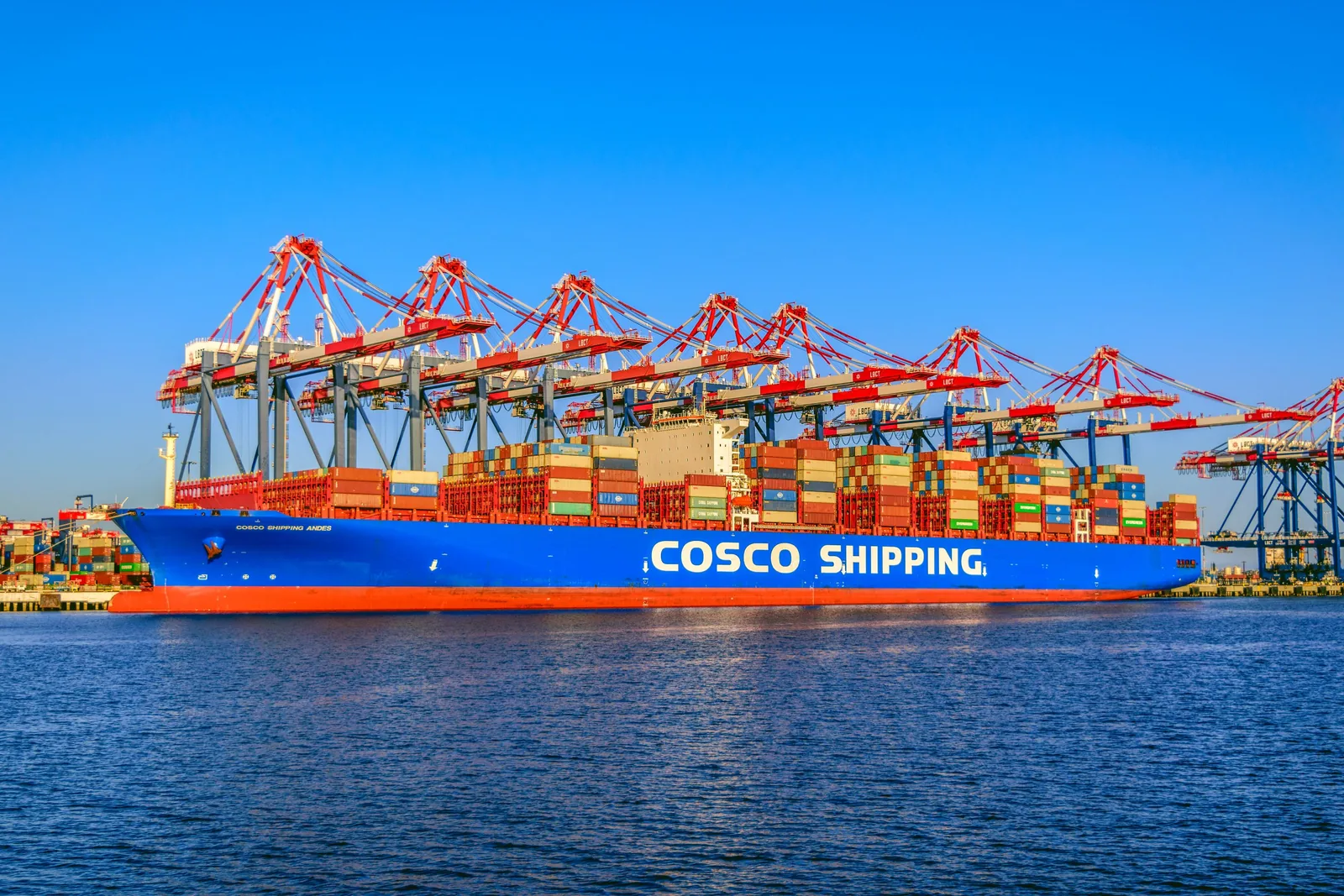
Container ship at berth under a line of red gantry cranes
Stacked containers in a terminal yard, with handling equipment in the foreground
Overhead view of rows of colorful containers in a terminal
Aerial view of a container ship at berth in a cargo terminal, with gantry cranes and stacked containers along the quay
Container ship at berth under gantry cranes at golden hour

The Trade

The vessels are already under way.

What the largest importers obtain by size, our members obtain by association. The volume is already moving.

Aerial view of a container yard with rows of stacked containers

The Idea

One table.50,000 to 100,000 containers.

What the largest importers obtain by size, our members obtain by association. The volume is already moving. The Council gives it a single voice.

The MethodII

Four stages, one cycle a year.

The program follows the annual rhythm of the ocean contract season, from written commitment to the first booking.

I
Commitment

Members join

Each member commits its annual volume by lane, in writing, so the Council negotiates on the strength of tonnage that is real and assured.

II
Negotiation

The Council bids carriers

The combined volume is taken to the ocean carriers in a single, disciplined negotiation, conducted on behalf of every member at once.

III
Contract

Contracts are signed

Carriers sign service contracts with the Council. Every member is named on the contract and entitled to its rates and terms.

IV
Execution

Members ship

Members book directly at the contract rates. Their freight, their forwarders, their relationships, undisturbed.

The program in full

Bow of the container ship MSC New York at berth, with cranes along the quay

The Instrument

The community’s freight, negotiated as one.

Ocean carriers reserve their best terms for the buyers who commit the most containers. The Council brings that volume to a single table.

Experience at the TableIII

Built by people who have done this work.

The Council’s founders bring decades of practice in shippers’ association programs, importing at scale, port operations and freight audit.

The legal basis
  • 46 U.S.C. § 40102(24), shippers’ association
  • 46 U.S.C. § 40502, service contracts filed confidentially with the FMC
  • 46 C.F.R. § 530.6, members certified on the contract
The framework
PrinciplesIV

Governed for the member, by design.

Article I

Confidential by design

No member sees another member’s rates, volumes or lanes. Commercial information is held by the Council and by no one else.

Article II

Commitments in writing

Volume is committed by lane, in writing, so that the group can deliver on every carrier contract it signs.

Article III

Maritime counsel

The membership agreement and the service contracts are drafted by a maritime attorney.

Article IV

No required vendors

Members keep their own forwarders, customs brokers and warehouses. The Council negotiates; it does not sell services.

The SeasonV

Why the decision is made now.

The Council’s carrier negotiation runs from January to April 2027, for contracts that take effect on May 1. Member commitments are gathered in November and December 2026 and brought to the table when negotiations open.

Nov to Dec 2026

Commitment

Members share lane data under NDA and sign letters of intent.

January 2027

Constitution

The entity is formed, the Board is seated and maritime counsel is engaged.

Jan to Apr 2027

Negotiation

The combined volume is bid with the ocean carriers.

May 1, 2027

Contracts in force

New service contracts take effect for members at the opening of the 2027 contract season.

Questions

The questions a careful importer asks first.

All questions

Is a shippers’ association lawful?

Yes. The Shipping Act defines the shippers’ association and includes it within the definition of a shipper. Carriers sign service contracts with shippers’ associations every year.

Who sees my rates, volumes and lanes?

The Council alone, under NDA. No member sees another member’s commercial information, and service contracts are filed confidentially with the Federal Maritime Commission.

Do I keep my forwarder?

Yes. Members keep their own forwarders, brokers and warehouses, and book directly with the carrier at the contract rates.

LeadershipVI

Founded within the community. Overseen by its leaders.

The Council is an independent company, separate from any logistics provider. Its Board is seated in January 2027.

Ben Spitz
Founder

Ben Spitz

Chief Executive Officer and Founder, BRS Global Logistics

Credentials
Co-Founder

Rafi Merl

Vice President, East Coast Operations, All-Ways Pacific

Credentials

Membership is by application.

Applications are reviewed by the Council in confidence. Qualified importers receive the membership agreement and fee schedule under NDA.

Apply for Membership